
Dealer Growth Solutions | Activate & Scale Your Dealer Network


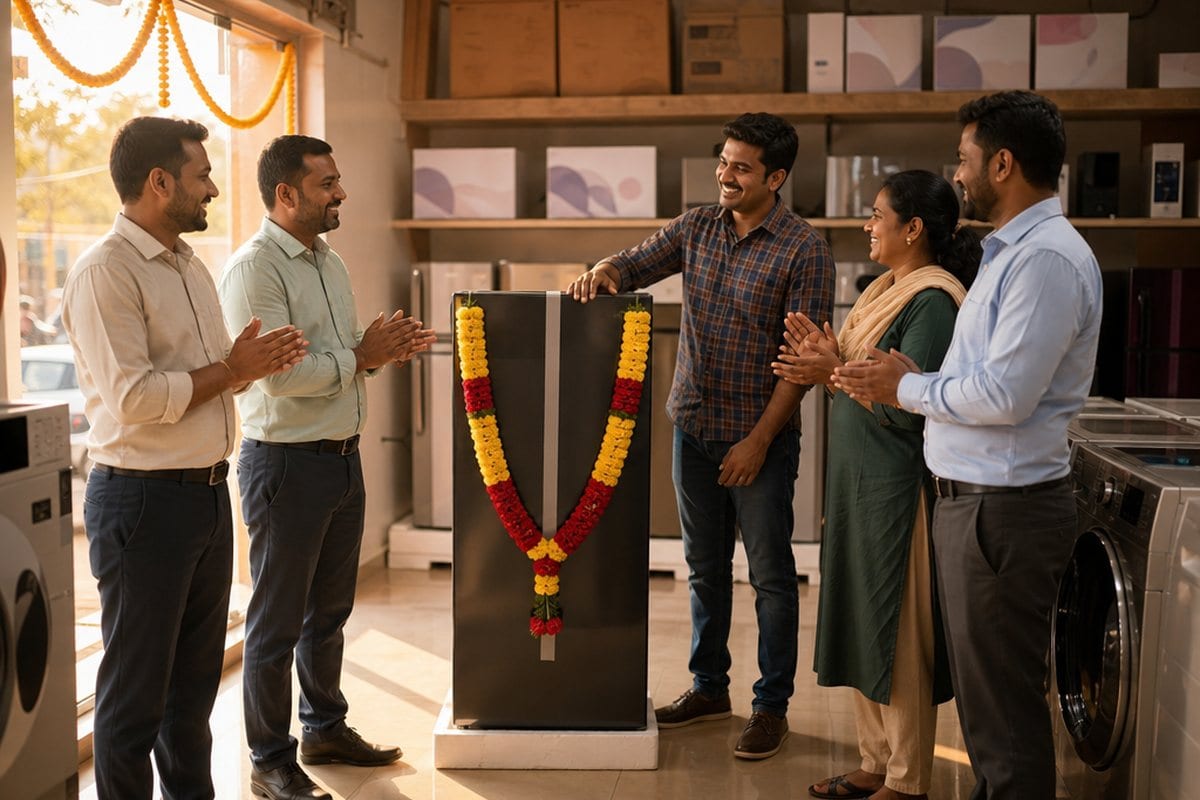
Your dealers are the frontline of your sales operation. They build relationships with customers, represent your brand in the market, and close deals. Yet most brands treat their dealer networks as transactional relationships rather than strategic partnerships—and struggle with inconsistent performance as a result.
The difference between high-performing and underperforming dealer networks often comes down to engagement. Dealers who feel supported, trained, and incentivized tend to prioritize your brand. Those who feel neglected will focus their energy elsewhere—often on competitors who invest more in the relationship.
This guide explores how to build more effective dealer programs through structured enablement—covering loyalty, training, incentives, field support, and performance management.
Why Dealer Growth Programs Fail
Before building a dealer growth strategy, it helps to understand why many programs underperform. These common pitfalls derail even well-intentioned initiatives.
Lack of Segmented Approach
Most brands apply one-size-fits-all strategies to their entire dealer network. But a high-volume urban dealer has fundamentally different needs than a rural dealer in an emerging market. Without segmentation, you end up over-investing in some dealers and under-investing in others.
Generic Incentive Structures
Volume-based incentives—"sell more, earn more"—seem logical but often reward dealers who would have sold anyway while failing to motivate dealers in the middle tier. Effective incentives need to drive incremental behavior, not just reward existing performance.
Insufficient Training Investment
Dealers struggle to sell what they don't understand. Yet most brands provide minimal product training beyond spec sheets and catalogs. In technical categories especially, this knowledge gap makes it harder for dealers to close sales confidently.
Poor Communication Channels
When dealers have questions, face customer objections, or need support, can they reach you easily? Slow or inconsistent communication creates frustration and pushes dealers toward competitors who are more responsive.
Limited Performance Visibility
If you can't track dealer performance accurately, you can't manage it effectively. Many brands lack visibility beyond primary sales data—making it difficult to understand what's actually happening at the dealer level.
The Dealer Growth Framework
Effective dealer growth requires a structured approach that addresses the full dealer lifecycle—from profiling and segmentation through ongoing performance management.
Dealer Profiling & Tiering
Start by understanding your dealer base. Profile each dealer across dimensions including:
- Current Performance: Sales volume, growth trajectory, product mix
- Potential: Market size in their territory, competitive position, capacity for growth
- Engagement: Program participation, training completion, responsiveness to communication
- Capability: Staff strength, infrastructure, technical expertise
Use these profiles to create meaningful tiers—not just based on volume, but on value and potential. This enables you to invest resources where they're most likely to have impact.
Customized Loyalty & Incentive Design
Design incentive structures that drive the behaviors you need. Effective dealer incentive programs typically include:
- Volume Incentives: Tiered rewards for achieving sales targets
- Growth Incentives: Bonuses for year-over-year improvement, rewarding dealers who are growing
- Mix Incentives: Rewards for selling focus products or strategic SKUs
- Behavior Incentives: Points for training completion, compliance, or other desired actions
The most effective programs combine multiple incentive types to create a balanced motivation system.
Product & Sales Training Programs
Knowledge builds sales confidence. Develop training programs that cover:
- Product Knowledge: Features, benefits, and how your products compare to alternatives
- Application Training: Use cases, installation, and common troubleshooting scenarios
- Sales Skills: Objection handling, needs assessment, and closing techniques
- Certification: Formal credentials that demonstrate expertise to customers
Deliver training through multiple channels—in-person workshops, digital modules, video content—to accommodate different learning preferences and time constraints.
Field Relationship Management
Technology enables scale, but relationships drive loyalty. Invest in field teams who:
- Visit dealers regularly and build personal connections
- Understand each dealer's business challenges and opportunities
- Provide hands-on support during key selling periods
- Act as advocates for dealers within your organization
Performance Tracking & Analytics
What gets measured gets managed. Implement systems that provide:
- Sales Tracking: Primary sales data, and secondary sales where systems allow
- Performance Benchmarking: Compare dealers against peers and targets
- Program Analytics: Track incentive participation and program effectiveness
- Early Warning Indicators: Identify dealers who may be disengaging or struggling
Dealer Enablement Capabilities
Comprehensive dealer growth typically requires several integrated capabilities working together.
Dealer Loyalty Programs
Beyond simple discounts, dealer loyalty programs aim to create ongoing engagement and commitment. Key elements include:
- Points-based earning across multiple behaviors (not just sales)
- Tiered membership with escalating benefits
- Rewards that matter to dealers—cash, merchandise, travel, recognition
- Leaderboards and recognition programs
- Family inclusion programs where appropriate
Dealer Training & Certification
Structured learning paths that build dealer capability over time:
- Onboarding programs for new dealers
- Product launch training for new introductions
- Advanced certification tracks for specialized products
- Ongoing sales and service skills development
Dealer Incentive Management
End-to-end management of incentive programs including:
- Program design and target setting
- Communication of program rules and targets
- Performance tracking and validation
- Payout calculation and disbursement
- Query and dispute resolution
Dealer Communication Platforms
Channels that keep dealers informed and connected:
- Mobile apps for updates and program access
- Dealer portals for self-service information
- Regular newsletters and bulletins
- Forums or groups for peer learning
Dealer Performance Dashboards
Reporting and insights that support decision-making:
- Sales performance tracking by dealer and region
- Program participation and engagement metrics
- Dealer health indicators
- Comparative performance views
What Good Dealer Programs Achieve
When dealer enablement programs are well-designed and consistently executed, brands typically see improvements in:
- Dealer engagement: More dealers actively participating in programs and training
- Sales productivity: Dealers selling more effectively, with better product knowledge
- Dealer retention: Lower attrition among engaged dealers
- Brand prioritization: Dealers giving your brand more attention and recommendation
- Better data: Improved visibility into what's happening at the dealer level
The specific impact depends on your starting point, competitive context, and how well programs are executed. Brands with low baseline engagement typically see more noticeable improvements.
Industries We Serve
Consumer Electronics Dealers
Fast product cycles and technical complexity require continuous training and strong sales support. Dealer programs in this category focus on keeping dealers current with new products and confident in explaining technical features.
Automotive Parts Dealers
Parts and accessories dealers need product knowledge, inventory support, and connections with mechanics and workshops. Programs here emphasize technical training and relationship-building with influencers.
Building Materials Dealers
From paints to plumbing, building materials dealers serve both contractors and consumers. Programs address different selling contexts and often include influencer engagement alongside dealer enablement.
Appliance Dealers
Higher-ticket purchases require consultative selling skills. Dealer programs focus on building capability to handle considered purchase conversations and demonstrate product value.
Conclusion
Your dealer network can be a significant source of competitive advantage—or a persistent challenge. Brands that invest in dealer enablement, build genuine partnerships, and provide meaningful support tend to see better dealer engagement and performance. Those that treat dealers as purely transactional often find their best dealers drifting toward more supportive competitors.
Key Takeaways:
- Segment your dealer network based on performance, potential, and engagement—not just volume
- Design incentive programs that drive incremental behavior, not just reward existing performance
- Invest in training that builds real capability and confidence
- Combine technology with human relationships for sustainable engagement
- Track what matters and use data to continuously improve your programs
If you're looking to improve dealer engagement and performance, the first step is assessing where you are today—understanding which dealers are engaged, which are struggling, and where the opportunities lie.
