
Share of Visibility and Shelf: Boost Retail Success


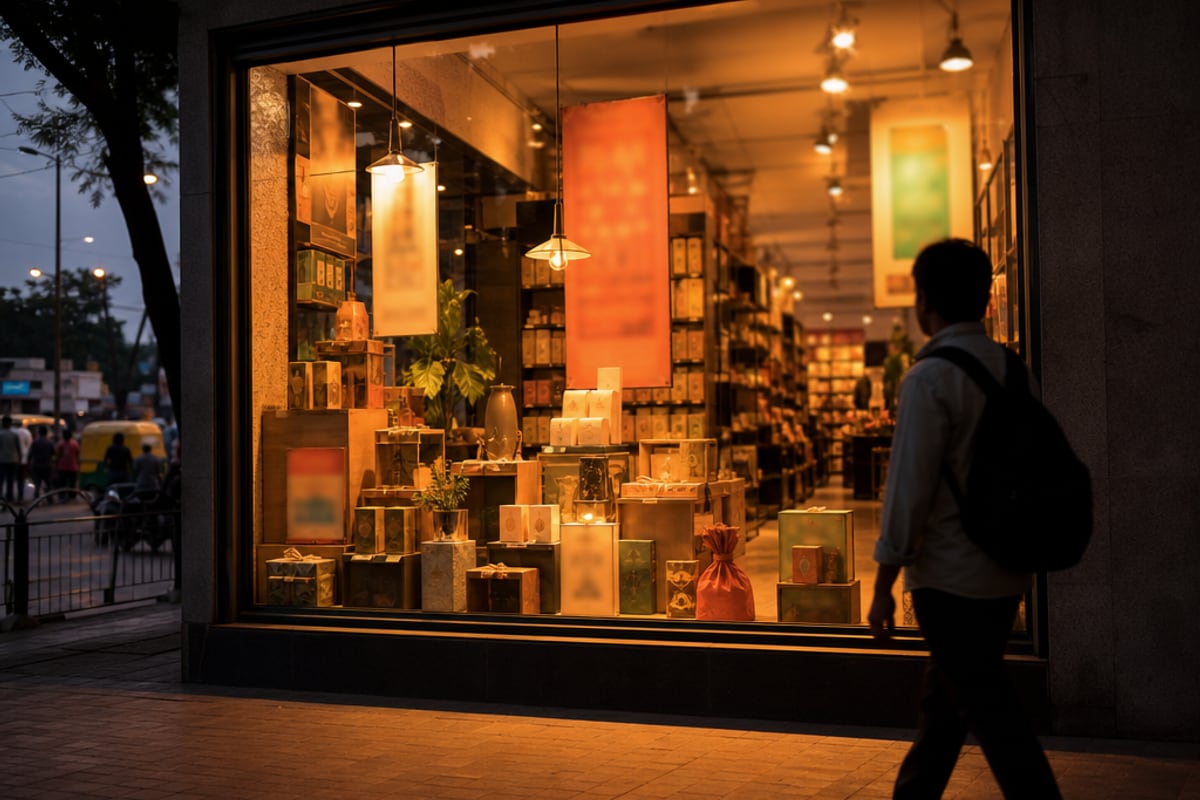
Every brand is fighting for attention, it's crucial to ensure your products stand out. Enter Share of Visibility (SOV) and Share of Shelf (SOS)—two powerful metrics that directly impact how your products are perceived and sold. But how do you manage these essential factors without overwhelming your team? That’s where Capvalis’s specialised mystery shopping and audit steps in. We’re here to ensure your brand doesn’t just show up, but truly shines on every shelf and screen.
Research indicates that nearly two-thirds of a customer's purchase decision is influenced by a brand's visibility in a multi-brand space. Simply put, being seen directly impacts being bought. To leverage this, brands are investing significantly in enhancing their Share of Visibility (SOV).
What Is Share of Visibility (SOV) and Why Does It Matter?
Decoding Share of Shelf (SOS): More Space, More Sales
How SOV and SOS Influence Consumer Decision-Making
Challenges Brands Face in Maximising SOV and SOS
- Limited Shelf Space: Retailers have finite shelf space, making it challenging for brands to secure prime spots.
- Market Saturation: Highly competitive markets mean more brands are vying for the same shelf and visibility opportunities.
- Supply Chain Disruptions: Stockouts and delivery delays can impact product availability, reducing SOS.
- Competitor Strategies: Aggressive promotions and marketing by competitors can overshadow your brand's visibility.
To enhance SOV and SOS, brands can implement several strategic initiatives:
Assessing Share of Visibility (SOV)
- Exterior SOV: Evaluates how a brand's external branding compares to competitors. Key parameters include:
- Count and size of signages versus competition
- Placement of branding elements (façade level or above eye level)
- Interior SOV: Focuses on in-store branding effectiveness through:
- Branded Fixtures (Shop-in-Shops/Endcaps): Assesses the number and strategic placement of branded fixtures, with proximity to the entrance enhancing visibility.
- In-store Branding: Analyses the quantity, size, and placement of branding materials (wall displays, POSM) to ensure maximum customer engagement.
SOS is measured by analysing the volume of a brand's products relative to the total category offerings, including the percentage occupied by focus products. This evaluation helps brands:
Conclusion
Share of Visibility and Share of Shelf turn an abstract idea — how present a brand feels in a store — into figures that can be tracked and compared against competitors. SOV is read outside the store through the count, size and placement of signage relative to competition, and inside it through branded fixtures such as shop-in-shops and endcaps and through the quantity, size and placement of in-store branding. SOS is read as the share of total category volume a brand occupies, including the proportion held by its focus products.
Neither number moves easily. Shelf space is finite, categories are crowded with brands chasing the same prime positions, stockouts and delivery delays erode SOS whatever space has been negotiated, and competitors are running their own promotions against the same shoppers. With visibility measured rather than assumed, a brand can see which stores and which elements of its presence are underperforming and direct branding investment to the places where it changes what shoppers actually notice.
