
Visual Merchandising Strategies Guide | Complete Framework for Retail Success


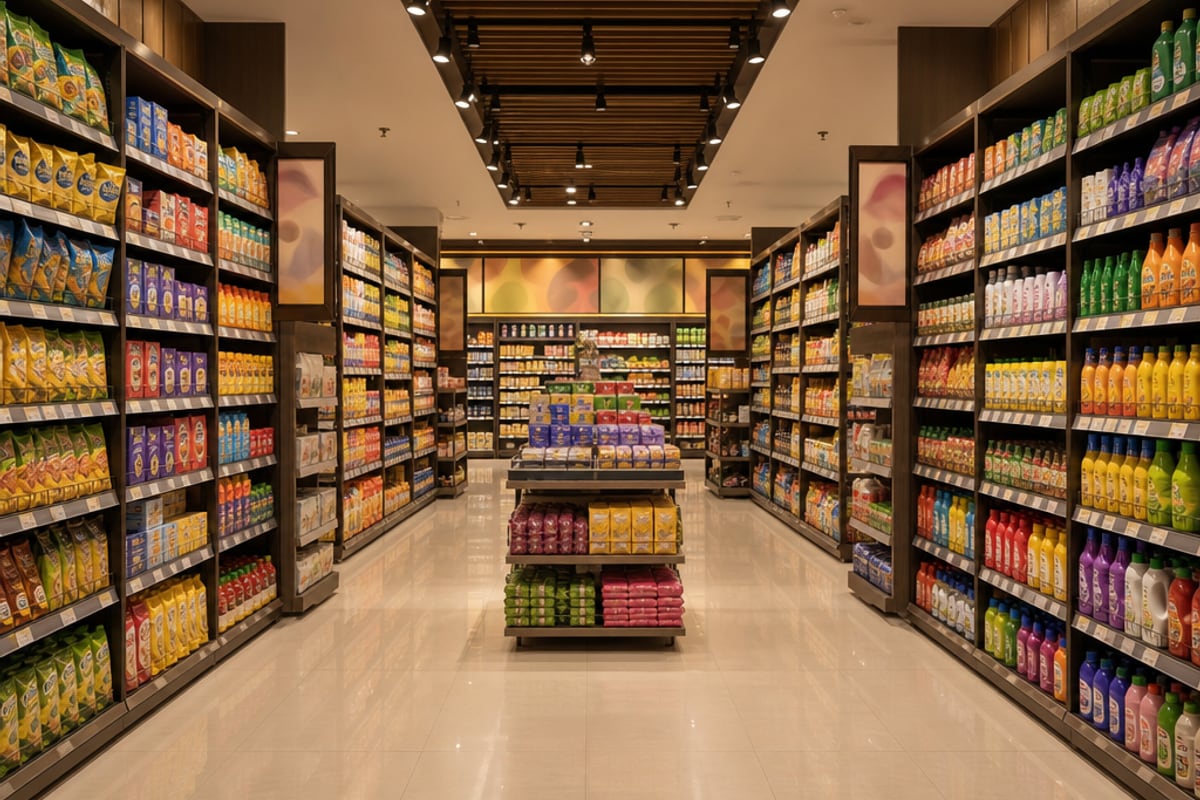
Visual merchandising is the silent salesperson in retail. When done well, it draws shoppers to your products, communicates value, and drives purchase decisions. When done poorly—or neglected entirely—even great products get overlooked. Research consistently shows that effective visual merchandising can increase category sales by 20-30%.
This guide covers the essential principles, tactics, and measurement approaches for visual merchandising that delivers results.
Understanding Visual Merchandising Impact
The Science Behind VM
Visual merchandising works because of how shoppers actually behave:
- Attention Scarcity: Shoppers notice only a fraction of products on shelf
- Peripheral Vision: Displays in peripheral vision influence path and attention
- Pattern Interruption: Novel displays break autopilot shopping behavior
- Information Processing: Visual cues communicate faster than text
- Emotional Triggers: Colors, shapes, and imagery evoke emotional responses
Key VM Objectives
- Visibility: Ensure products are seen by shoppers in the store
- Attractiveness: Draw attention and create positive brand impression
- Communication: Convey key messages, benefits, and offers
- Accessibility: Make products easy to find, evaluate, and purchase
- Differentiation: Stand out from competitors on the same shelf
The Hierarchy of VM Elements
- Store-Level: Window displays, entrance zone, store navigation
- Category-Level: Aisle placement, category signage, section organization
- Shelf-Level: Planogram execution, shelf position, facings
- Product-Level: POP displays, price communication, packaging
Shelf-Level Strategies
The Golden Zone
Not all shelf positions are equal:
- Eye Level: Premium position (buy level), maximum visibility
- Touch Level: Easy reach, strong performance for impulse items
- Stretch Level: Lower visibility, often for value/bulk items
- Bottom Shelf: Lowest visibility, typically destination purchases
Facing Optimization
More facings = more visibility = more sales, but with diminishing returns:
- Minimum 2-3 facings for visibility on typical shelves
- Hero SKUs warrant 4-6 facings for billboard effect
- Balance facings with range depth—more facings may mean fewer SKUs
- Vertical blocking (same brand top to bottom) creates visual impact
Planogram Principles
- Flow: Organize by shopper decision tree (category to brand to variant)
- Blocking: Group same-brand products for visual impact
- Adjacencies: Place complementary products nearby
- Consistency: Maintain layout across stores for shopper familiarity
- Flexibility: Allow local adaptation within framework
Point-of-Purchase (POP) Displays
Types of POP Materials
- Shelf Talkers: Edge-of-shelf attention grabbers
- Danglers: Hanging elements that create movement and visibility
- Floor Stands: Freestanding displays for off-shelf placement
- Counter Displays: Point-of-sale placement for impulse items
- End Caps: Aisle-end premium positions
- Island Displays: Mid-aisle standalone fixtures
- Window Displays: Storefront visibility for foot traffic
Effective POP Design Principles
- Simplicity: One clear message, not information overload
- Brand Consistency: Align with brand visual identity
- Call to Action: Clear direction on what shopper should do
- Visibility: High contrast, readable from appropriate distance
- Durability: Materials that survive store environment
- Easy Assembly: Store staff will install—make it simple
Placement Strategy
- High-Traffic Zones: Entrance, checkout, main aisles
- Decision Points: Where shoppers pause and choose
- Category Adjacencies: Near related products for cross-sell
- Sight Lines: Visible from multiple approach angles
In-Store Navigation & Signage
Store Layout Considerations
- Decompression Zone: First 5-10 feet—shoppers adjust, avoid displays here
- Power Walls: Right-hand wall (where shoppers naturally look first)
- Speed Bumps: Elements that slow shoppers and encourage browsing
- Destination Anchors: Popular categories that pull shoppers through store
Effective Signage
- Category Headers: Help shoppers navigate to sections
- Promotional Signs: Communicate offers and value
- Educational Signs: Help shoppers understand products
- Price Communication: Clear, accurate, well-positioned
Digital Integration
Modern VM increasingly incorporates digital elements:
- Digital screens for dynamic content and promotions
- Interactive kiosks for product information
- QR codes linking to extended content
- AR experiences for product visualization
Seasonal & Promotional VM
Planning Calendar
Align VM with promotional calendar:
- Seasonal Themes: Festivals, weather, occasions
- Brand Campaigns: New launches, awareness drives
- Retail Events: Store anniversaries, sales events
- Competitive Moments: Counter competitive launches
Execution Timeline
- 4-6 weeks before: Design and production of materials
- 2-3 weeks before: Distribution to stores
- 1 week before: Installation completion
- Day 1: Compliance audit and correction
- During campaign: Maintenance and restocking
- Campaign end: Removal and analysis
VM Compliance & Measurement
Compliance Tracking
- Compliance Rate: % of stores executing VM as planned
- Share of Shelf: Actual vs. agreed shelf space
- Display Presence: POP materials deployed and visible
- Stock Availability: Products present to sell
- Quality Score: Condition and accuracy of execution
Measurement Methods
- Field Audits: In-person verification by merchandising team
- Photo Compliance: App-based photo submission and scoring
- Mystery Shopping: Third-party verification
- Retail Data: POS data correlated with VM execution
- Image Recognition: AI-powered compliance from photos
ROI Measurement
Connecting VM investment to sales impact:
- Before/after sales comparison at same stores
- Test vs. control store methodology
- Correlation analysis between compliance and sales
- Incremental sales per display investment
Managing VM at Scale
Field Team Structure
- Merchandisers: Execute VM, manage shelf presence
- Team Leaders: Supervise execution, quality control
- Regional Managers: Strategy implementation, retailer relationships
- Central Team: Standards, training, materials supply
Technology Enablement
- Mobile Apps: Task management, photo capture, reporting
- Route Optimization: Efficient store coverage planning
- Digital Planograms: Visual guides for correct execution
- Analytics Dashboards: Real-time compliance visibility
Retailer Collaboration
VM success requires retailer partnership:
- Joint business planning with key accounts
- Category captain roles for planogram influence
- Trade investment tied to VM execution
- Shared data for performance analysis
Conclusion
Visual merchandising is a discipline that combines art and science—creative design grounded in shopper behavior insights and rigorous measurement. Brands that master VM gain sustainable competitive advantage at the shelf, where purchase decisions are actually made.
Key Takeaways:
- Shelf position and facings fundamentally impact visibility and sales
- POP displays work when designed for simplicity and easy store execution
- Consistent compliance is as important as great design
- Technology enables measurement and management at scale
- Retailer collaboration multiplies VM effectiveness
- Test, measure, and optimize—VM is an ongoing discipline, not a one-time project
The brands that win at retail are those that treat visual merchandising as a strategic capability rather than a cost center.
