
Visual Merchandiser: The Art & Science of Retail Display Mastery in 2026


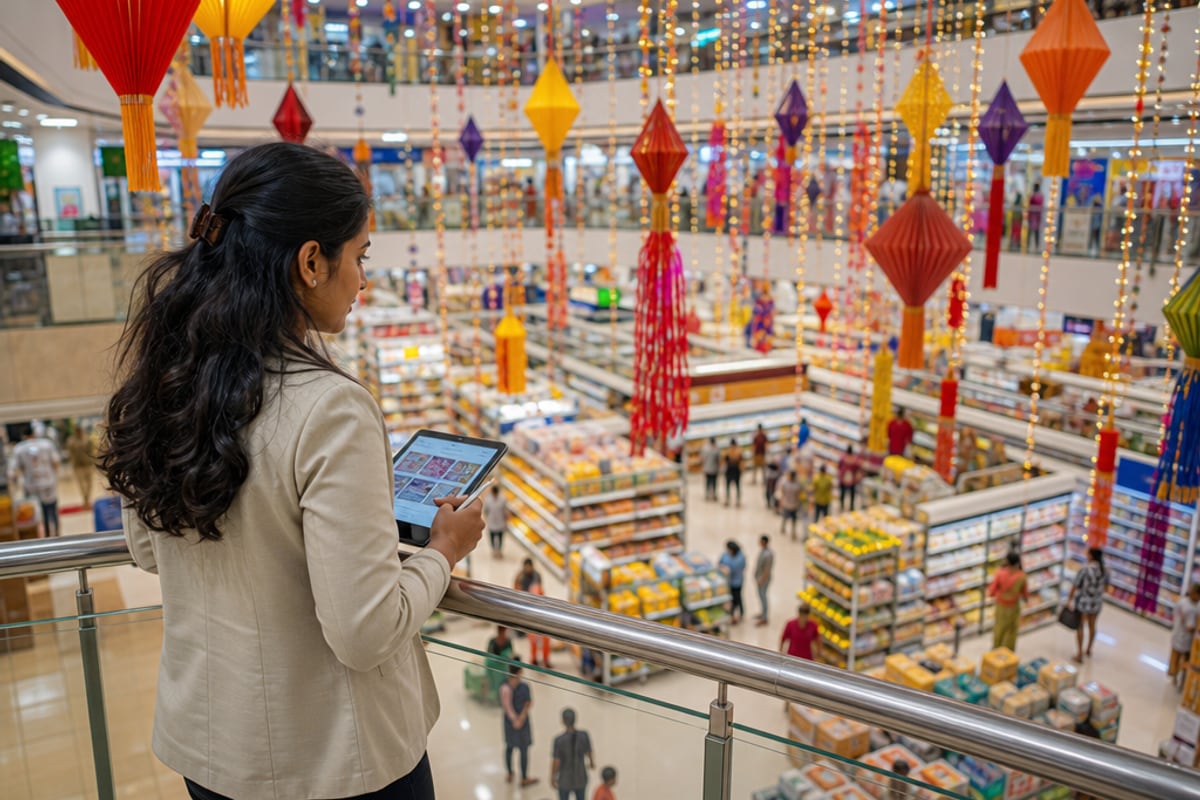
The retail landscape has transformed dramatically over the past decade, yet one role remains absolutely critical to business success: the visual merchandiser. In an era where consumers research products online before stepping into stores, creating compelling in-store experiences has become the ultimate competitive advantage. Visual merchandisers are the architects of retail magic, combining artistic vision with psychological understanding to drive sales and build brand loyalty.
What is a Visual Merchandiser?
A visual merchandiser is a retail professional responsible for creating eye-catching, strategically designed product displays that attract customers, communicate brand values, and ultimately drive sales. This role goes far beyond simply arranging products on shelves—it's about orchestrating a complete sensory experience that guides customers through the store and encourages purchasing decisions.
Did you know? Research shows that 92% of purchase decisions are influenced by visual factors, and well-designed store displays increase sales by 20-40%. Visual merchandisers are essentially converting retail space into revenue-generating assets.
Why is Visual Merchandising Important?
In today's retail environment where e-commerce and physical stores compete fiercely, visual merchandising has become a critical differentiator. Here's why this role matters more than ever:
- Creates First Impressions: Your store window and floor displays are often the first point of contact with customers, making these crucial touchpoints for conversion
- Guides Customer Journey: Strategic product placement directs customer flow through the store and creates natural pathways to high-margin items
- Communicates Brand Identity: Visual displays tell your brand story, establish credibility, and differentiate you from competitors
- Increases Average Transaction Value: Thoughtful cross-merchandising and product grouping encourage customers to purchase complementary items
- Reduces Product Returns: Clear, accurate product representation through displays reduces purchase dissatisfaction and return rates
Key Performance Metrics for Visual Merchandising:
- Conversion Rate: Percentage of shoppers who make purchases after viewing displays
- Average Transaction Value: Dollar amount of average purchase at merchandised locations
- Customer Dwell Time: How long customers spend in display areas
- Sales per Square Foot: Revenue generated from merchandise display areas
- Stock-Out Rates: Inventory turnover velocity at well-merchandised locations
Core Competencies of Visual Merchandisers
Successful visual merchandisers combine technical skills, creative talent, and business acumen. These competencies separate exceptional merchandisers from average display designers:
1. Design and Aesthetic Mastery
Visual merchandisers must understand design principles—color theory, balance, proportion, focal points, and composition. They translate seasonal trends, brand guidelines, and customer psychology into compelling visual narratives that engage shoppers and influence purchasing behavior.
2. Product Knowledge and Category Management
Deep understanding of product features, benefits, price points, and seasonal variations enables strategic placement decisions. Merchandisers must know which products complement each other, which are impulse purchases, and which require prominent positioning for profitability.
3. Consumer Psychology
Effective visual merchandisers understand how customers navigate retail spaces, what catches attention, and what motivates purchase decisions. They apply principles like the rule of thirds, eye-level placement, and scarcity messaging to optimize product visibility and sales.
4. Trend Forecasting and Innovation
The retail environment evolves constantly. Visual merchandisers must stay ahead of industry trends, emerging consumer preferences, and seasonal shifts to keep displays fresh, relevant, and engaging throughout the year.
5. Technical and Operational Skills
From lighting installation to structural assembly, visual merchandisers must possess hands-on technical abilities. They manage budgets, work with vendors for props and materials, and execute displays within time and resource constraints.
Visual Merchandising Strategies That Drive Results
Successful visual merchandisers employ proven strategies backed by retail science and consumer behavior research:
Window Display Strategy
- Create focal points that stop foot traffic and encourage store entry
- Use color psychology to evoke emotions aligned with season and brand
- Implement storytelling displays that communicate brand narrative
- Rotate displays every 4-6 weeks to maintain customer interest
In-Store Placement Optimization
- Eye-Level Placement: Position high-margin and impulse items at eye level where they're most visible
- Cross-Merchandising: Group complementary products to increase basket size and customer satisfaction
- Seasonal Integration: Feature seasonal products prominently while complementing year-round staples
- Power Positions: Leverage high-traffic areas and natural sightlines for maximum visibility
Lighting and Ambiance Design
- Use strategic lighting to highlight featured products and create focal points
- Balance ambient, task, and accent lighting for customer comfort and product appeal
- Implement mood lighting that supports brand identity and shopping experience
Career Path and Growth Opportunities for Visual Merchandisers
Visual merchandising offers diverse career pathways with significant growth potential:
Entry-Level Positions
Visual Merchandiser / Display Associate: Executes display designs, maintains merchandising standards, and implements company guidelines. Typical responsibilities include assembly, cleaning, stock management, and customer service support.
Mid-Level Progression
Senior Visual Merchandiser / Team Lead: Oversees multiple store locations, mentors junior staff, manages display budgets, and develops regional merchandising strategies. These professionals influence how dozens of locations present products to customers.
Advanced Career Opportunities
Visual Merchandising Manager / Director: Develops merchandising strategies for entire brands or retail networks. They oversee seasonal campaigns, manage vendor relationships, allocate budgets, and set company-wide visual standards.
Specialized Roles: Brand Visual Merchandiser, Store Experience Designer, Retail Strategist, and Visual Merchandising Consultant positions combine merchandising expertise with broader retail strategy responsibilities.
Visual Merchandising Trends Shaping Retail in 2026
The visual merchandising landscape continues to evolve rapidly, driven by changing consumer expectations and technological innovation:
1. Experience-Driven Retail Design
Consumers increasingly expect retail spaces to be Instagram-worthy and socially shareable. Visual merchandisers are creating immersive, multi-sensory experiences that encourage customers to engage and share content, amplifying brand reach through organic social marketing.
2. Sustainable and Eco-Conscious Displays
Environmental consciousness influences both consumer purchasing decisions and display design. Merchandisers are incorporating sustainable materials, minimalist design principles, and waste-conscious practices into visual presentations.
3. Technology Integration
Augmented reality mirrors, interactive digital displays, and connected retail technology are transforming how products are presented. Visual merchandisers must now blend physical and digital elements to create seamless omnichannel experiences.
4. Personalization at Scale
Data-driven merchandising enables location-specific, demographic-targeted displays. Stores customize presentations based on local preferences, weather patterns, and customer demographics for maximum relevance and sales impact.
5. Minimalist Luxury Positioning
Clean, curated displays that highlight product quality over quantity have become increasingly popular. This approach builds brand prestige and allows customers to appreciate craftsmanship and product details without visual clutter.
Conclusion
Visual merchandisers are essential architects of retail success, transforming store spaces into revenue-generating customer experiences. With 92% of purchase decisions influenced by visual factors and well-designed displays increasing sales by 20-40%, the impact of skilled visual merchandising is undeniable. As retail continues to evolve in 2026, visual merchandisers must blend artistic vision with data-driven strategy, consumer psychology, and emerging technologies to create experiences that drive business growth.
Key Takeaways:
- Visual merchandisers combine artistic vision with consumer psychology to drive retail sales
- 92% of purchase decisions are influenced by visual factors
- Well-designed displays can increase sales by 20-40%
- Career opportunities range from entry-level to director positions
Your retail space is your most powerful marketing tool. Strategic visual merchandising can transform foot traffic into loyal customers while maximizing every square foot of selling space.
